
A new kind of education is emerging…

We are stuck in an old paradigm, with institutional structures that control and define our lived experience, built for a world that no longer exists.
Within education, passionate entrepreneurs and committed citizens are no longer waiting for these broken formal institutions to be reformed. All over the world, they are designing and building their own local responses with relationships at their core. These are the education ecosystems that our young people need and out of which new institutions will emerge.
The Future Learning Design podcast is an inquiry into these fundamental changes and an invitation to you to join the movement to help nurture the positive change.


Listen and Subscribe
Over 250 episodes with thought-leaders, entrepreneurs, educators.
Hosted by Tim Logan, Partner at Good Impact Labs.
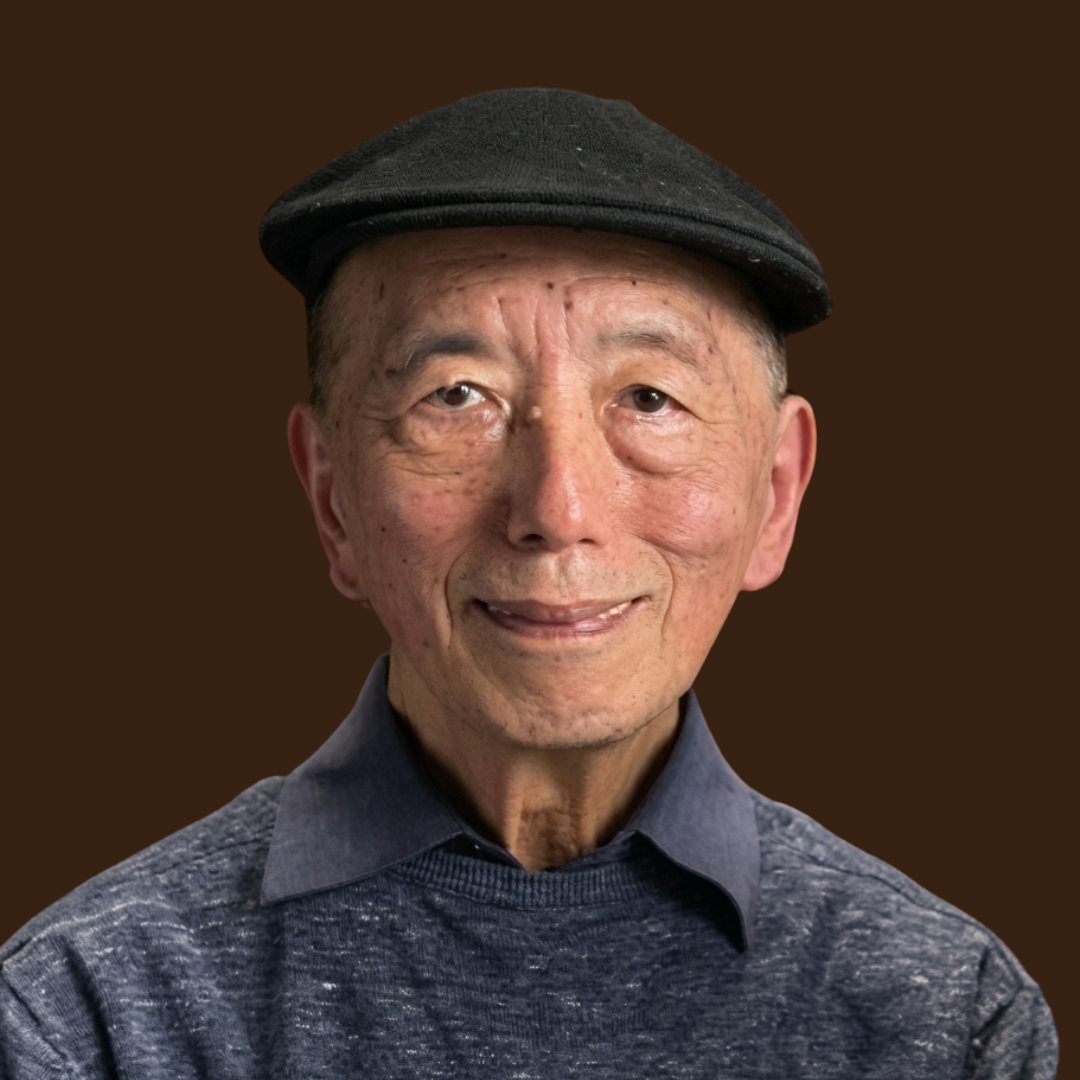
Many Paths, Not One: The Rise of Experimental Education in Taiwan - A Conversation with Tang Guang-Hua
How did Taiwan become one of the world’s most interesting places for educational and societal innovation?
In January 2025, Manda Scott interviewed Audrey Tang, Taiwan’s youngest ever Minister of State and its first Digital Minister (2016–2024). I was fascinated to hear Audrey talk about how education in Taiwan has evolved, and ever since I’ve wanted to make an episode about the history of experimental education that led to these developments.
My wonderful guest this week is Mr Tang Guang-Hua. Mr Tang and his wife, Li Yaqing, along with their firstborn Audrey, have been instrumental in Taiwan’s education reform movement for the last 40 years,.

A Chance to Solve Their Own Problems - A Conversation with Prof. Jal Mehta
It's all too easy to come up with scripted and pre-packaged solutions to educational challenges that are complex, deeply human and relational. My guest this week has been a powerful voice globally for a long time, advocating for a more nuanced and thoughtful view for enhancing spaces for deeper learning. It is my huge pleasure to introduce Professor Jal Mehta of the Harvard Graduate School of Education who joined me this week to talk about his new book, A Chance to Solve Their Own Problems: Inside the New Methods Seeking to Remake Public Schools.
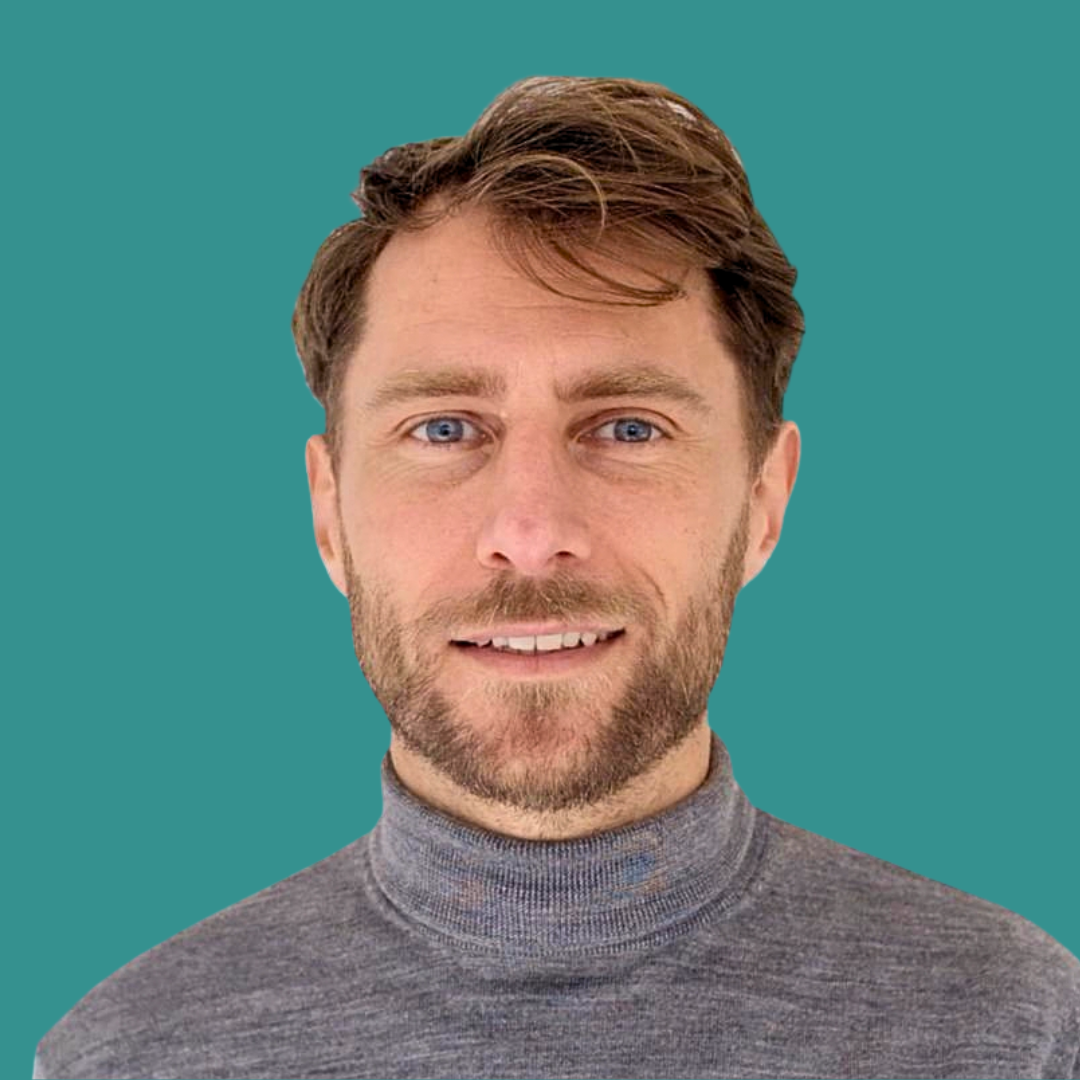
Collaboration as an Essential Practice - A Conversation with Rich Watkins
When was the last time that you achieved something totally on your own with no reliance on others? My guess is not ever, not really. One of the things we humans have always been really good at, despite our relative vulnerabilities individually, is getting hard things done in groups. And part of what education has always been about has been apprenticing our young people into that collective advantage. And yet, we've set up a modern formal education system that optimises primarily for individual knowledge and skills. My guest this week, Rich Watkins has taken on this exact problem and is supporting organisations around the world to build their collaborative abilities.
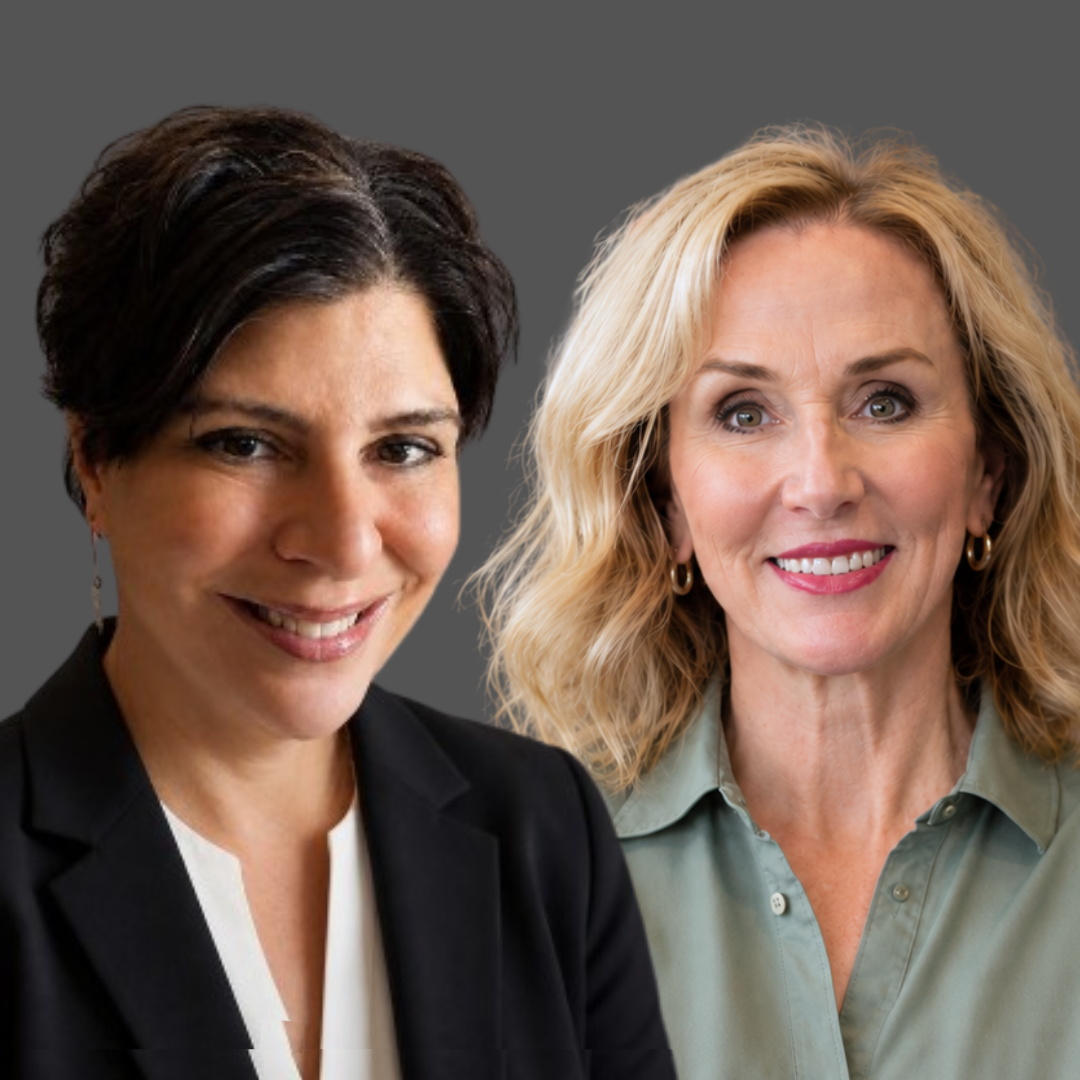
Diverse Intelligences in Natural, Artificial and Hybrid Systems - A Conversation with Prof. Sheila Macrine and Dr. Jennifer Fugate
We all take lots of different roles in our personal and professional lives, but one of the roles that I find most exciting (and aspire to myself) is being a convener and connector, bringing people together for generative purposes and in ways that don’t always happen in the silos of modern institutions. My guests this week, Professors Sheila L. Macrine and Jennifer M.B. Fugate have been doing just that in the emerging field of diverse intelligences. They are gathering some of the most leading-edge and brilliant researchers working today on the problems of how to understand agency, cognition and learning in the diverse ways that they are showing up in all kinds of bodyminds — natural, artificial, hybrid and everything in between!
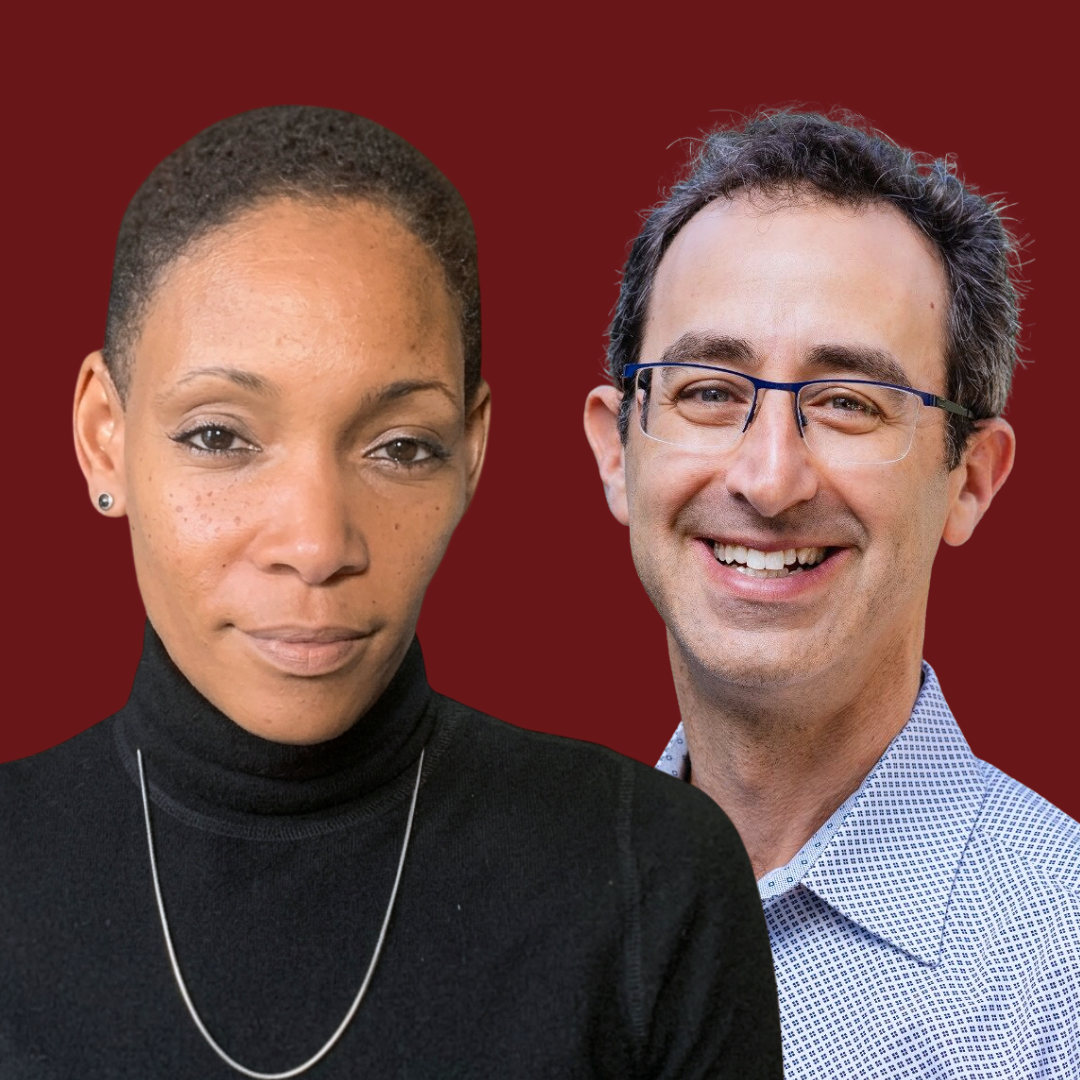
Community-Based Design & the Whole Child Model - A Conversation with Cynthia Robinson-Rivers and Jeff Wetzler
Most school reform efforts claim to be "research-based." But fewer are genuinely built with the people who have to live inside them every day. Building on some of the themes that I explored with Iwan Syahril, this week we're diving deeper into community-based design. Rather than starting with an expert’s blueprint, what happens when innovation starts with the community's own convictions about what its children deserve? And why does that starting point often determine whether an idea actually takes root, or just gets installed and then quietly left to atrophy? As a fantastic example of that process working really well, Cynthia Robinson-Rivers and Jeff Wetzler from Transcend Education discuss the Whole Child Model, born exactly that way and now reaching thousands of students across the US and beyond.
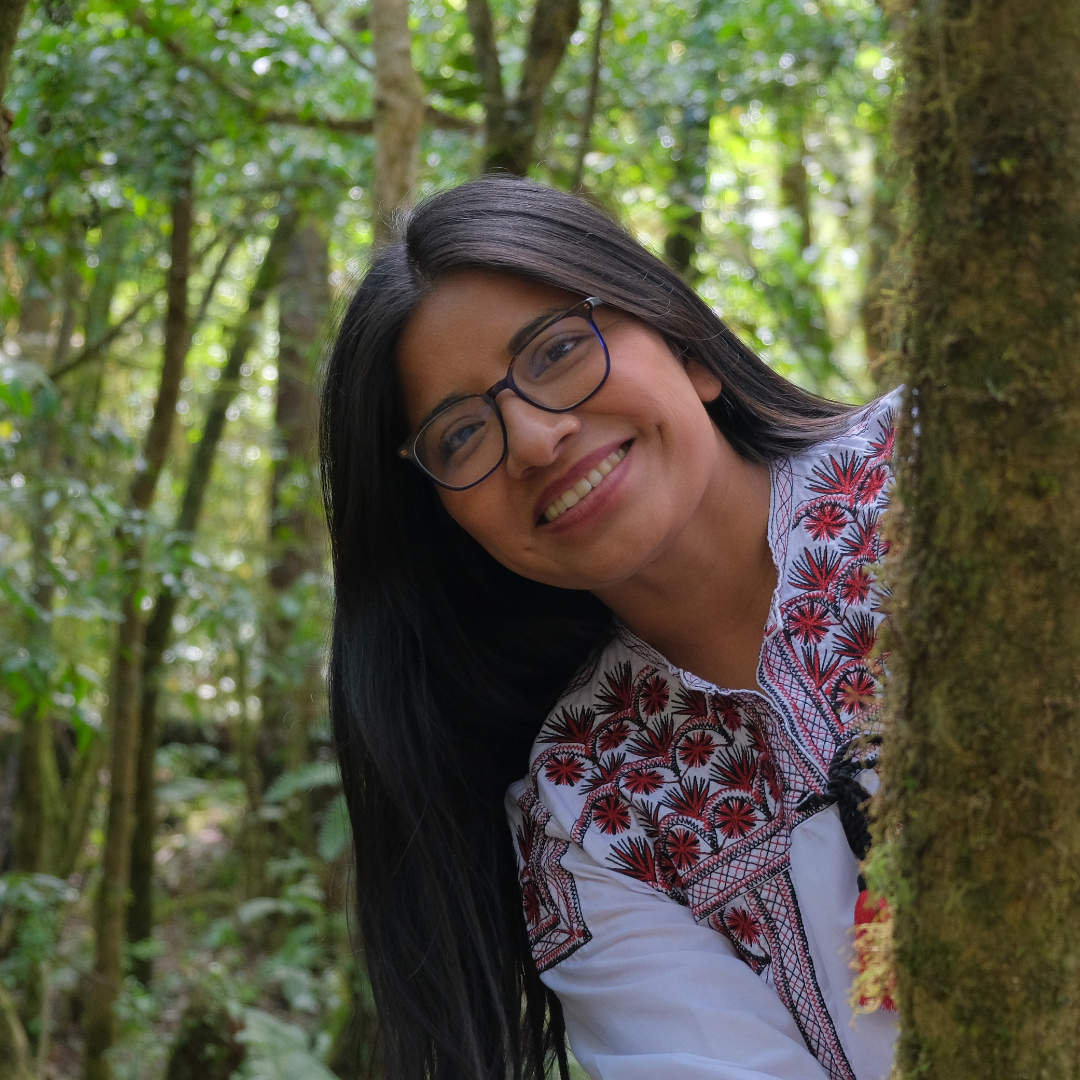
Education's Role in Strengthening Community - A Conversation with Sonia Bautista León
If you think of education, broadly, as raising children to become members of a community and as capable, functioning people contributing to the life and strength of that community, then the roles of schools and teachers in community can take on real significance. But from another perspective, becoming an "educated" person is often the thing that pulls people away from their community as they travel to nearby towns or cities to attend schools, and universities and pursue other careers. My guest this week, Sonia Bautista León is working in and with communities, across the Sierra Mixe in Oaxaca, Mexico co-creating educational responses to the challenges and opportunities being lived there.
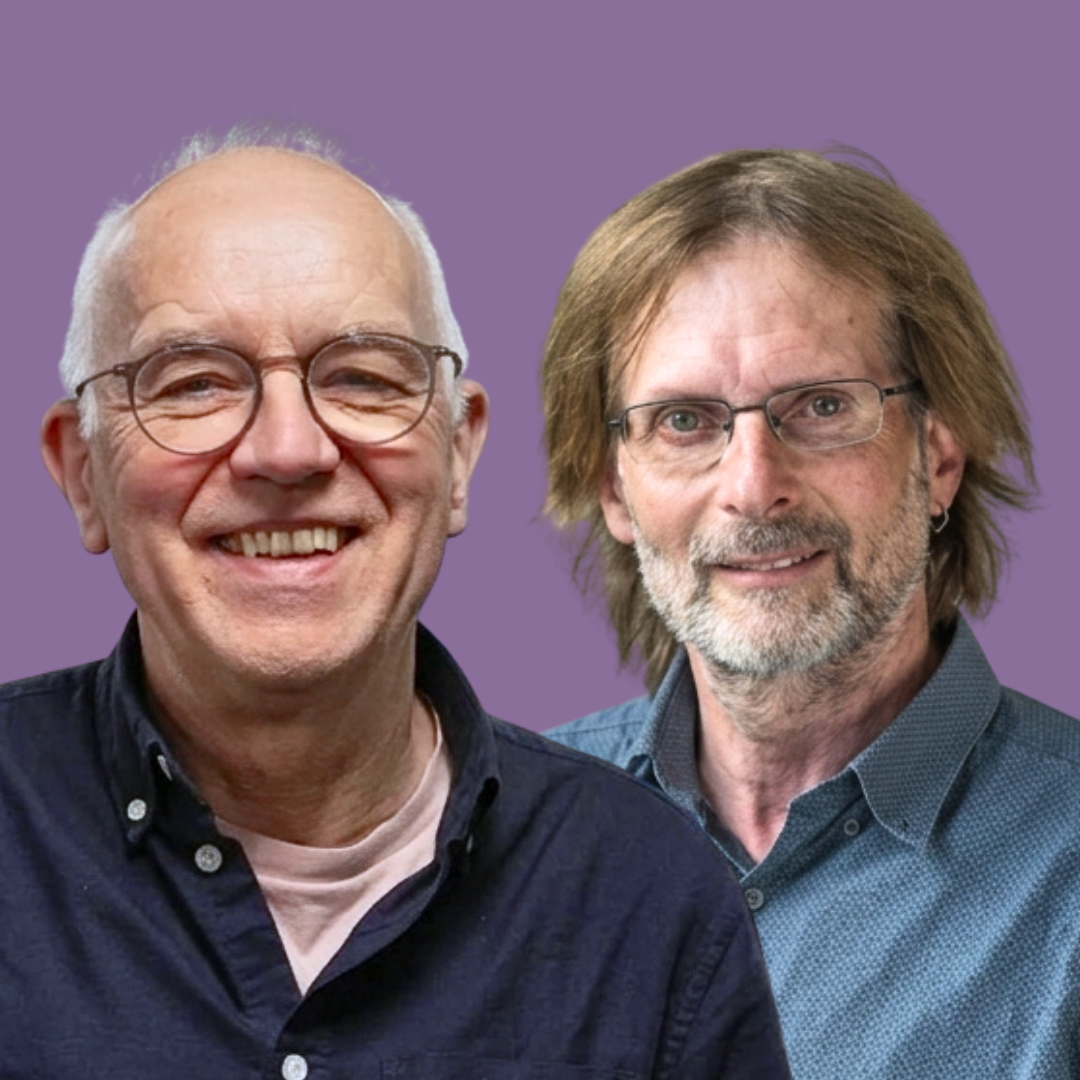
An Ecological Approach to Teacher Agency - A Conversation with Prof. Gert Biesta and Prof. Mark Priestley
There is a lot of talk about increasing agency in education and schooling, for young people and for teachers and we've done many episodes over the last 6 years that touch on it. But there is a tendency sometimes for discussions of agency to lack a bit of clarity in exactly what we mean by this slippery concept! My guests this week, Profs. Gert Biesta and Mark Priestley, published a seminal book with Sarah Robinson in 2015 on the subject of teacher agency, which moved the field forward hugely. 'Teacher Agency: An Ecological Approach' has just been republished in its second edition last month so I was very keen to talk about it with them.
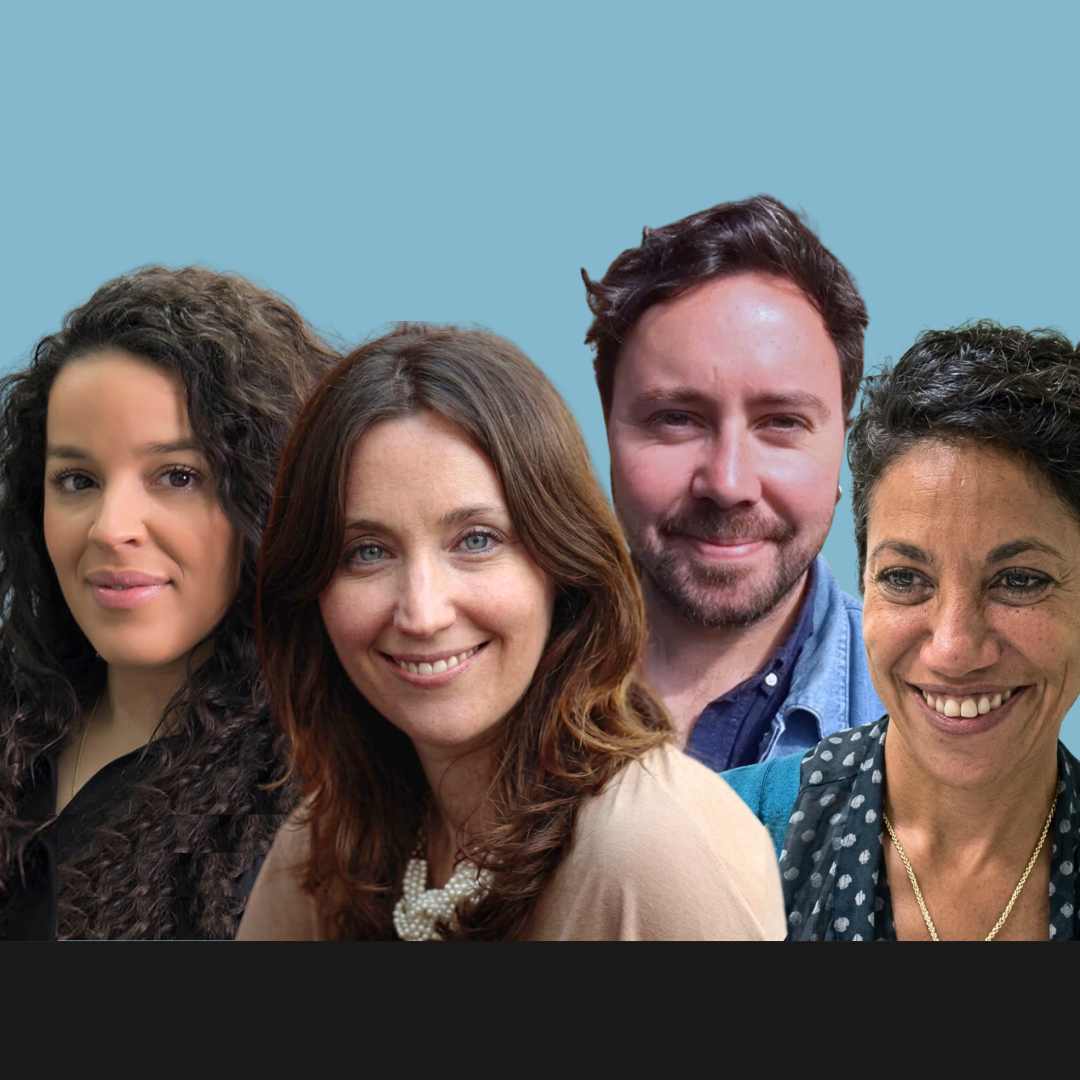
Education Through the Anthropological Lens - A Conversation with Zineb Mouhyi, Corina Enache, Patrick Alexander and Pascale Mompoint-Gaillard
A recent guest, Prof. Tony Chemero highlighted that anthropology is one of the more underestimated and often excluded of the ‘cognitive sciences’. I completely agree and I have personally experienced anthropology not as a subject discipline, but rather as a way of approaching the world and cognition itself. That's why this week I was so happy to bring together four amazing anthropologists who care deeply about educational transformations to explore these questions.
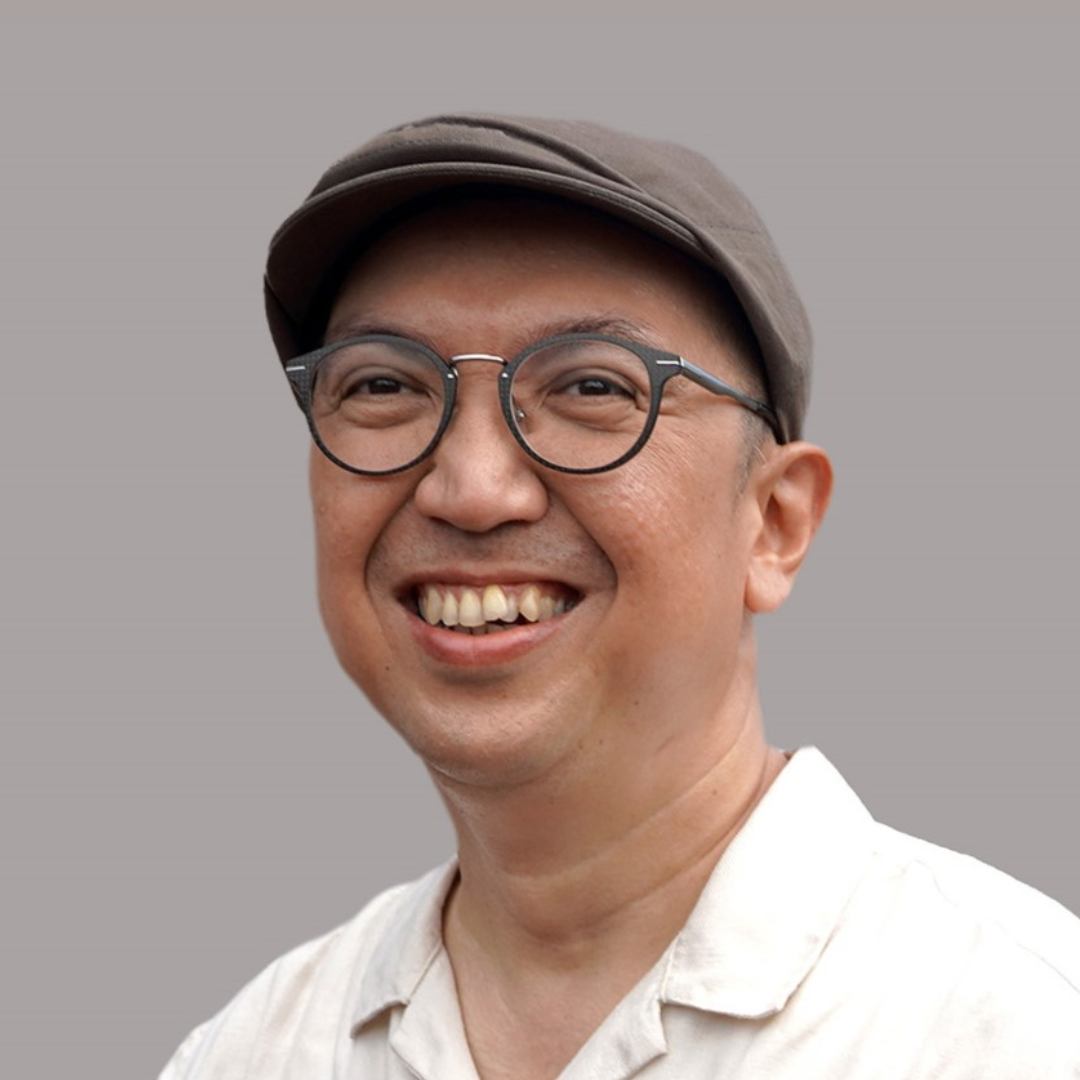
The Secret Ingredients of System Transformation at Scale - A Conversation with Dr. Iwan Syahril
There aren’t many people who can say that they have learned their hard-won leadership lessons through the experience of steering an educational transformation across a whole country, let alone a country made up of nearly 300 million people across 17,000 islands! My guest in this episode, Dr. Iwan Syahril, has taken the time and care to reflect on some of these lessons in his fantastic new book.
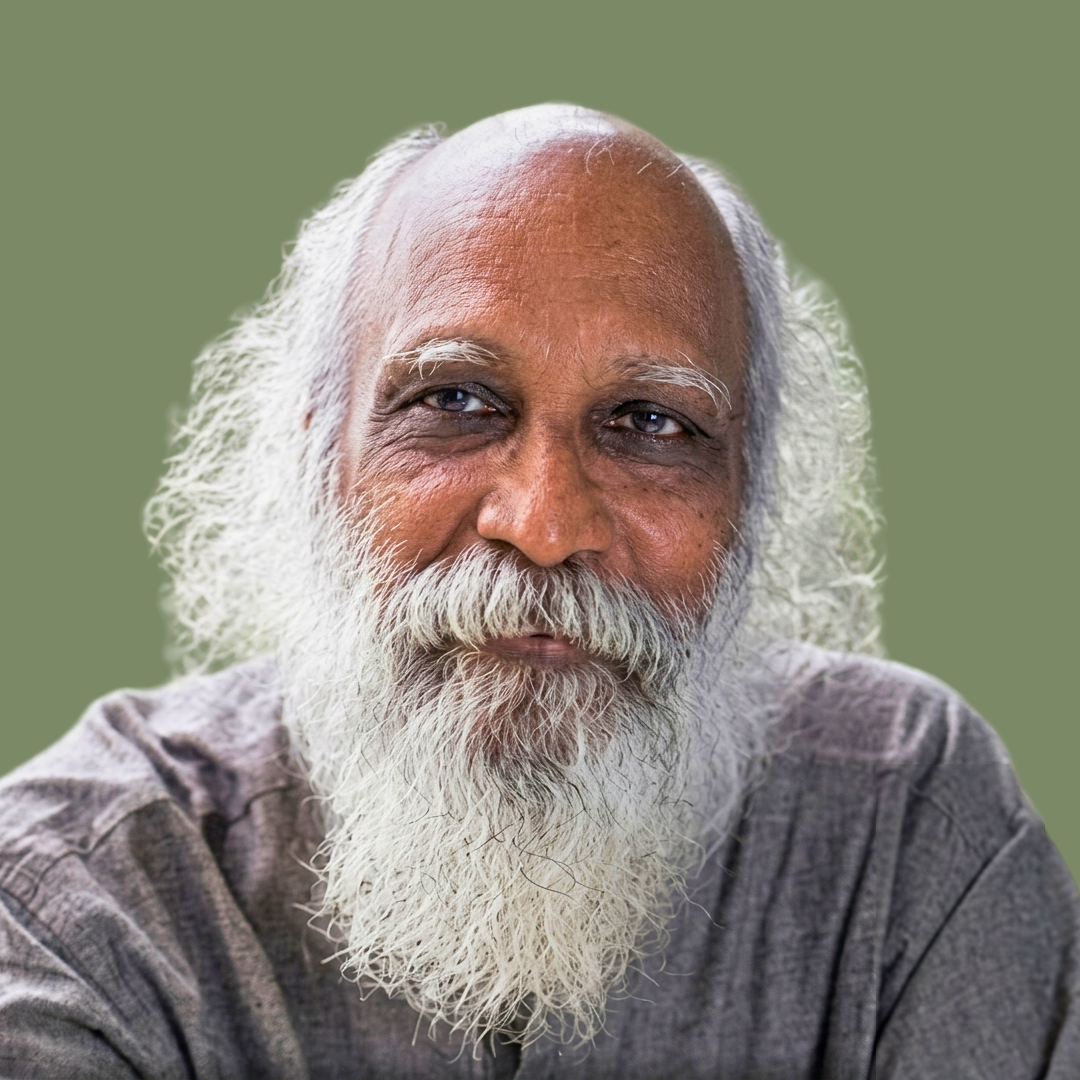
Exploring the Biological Roots of Cognition - A Conversation with Jinan KB
When you look at the dictionary definition of ‘cognition’ – the "mental action or process of acquiring, storing, retrieving, and processing knowledge and understanding through thought, experience, and the senses" – this seems pretty fundamental to what we do as educators. But what if our understanding of what it means has been heavily biased by the Western modern scientific paradigm? For example, in the difference between learning the world and learning about the world via the linguistic labels and symbols that we create to represent aspects of it. My guest this week Jinan KB is offering a radically different description of what natural cognition or the biological roots of cognition actually are.
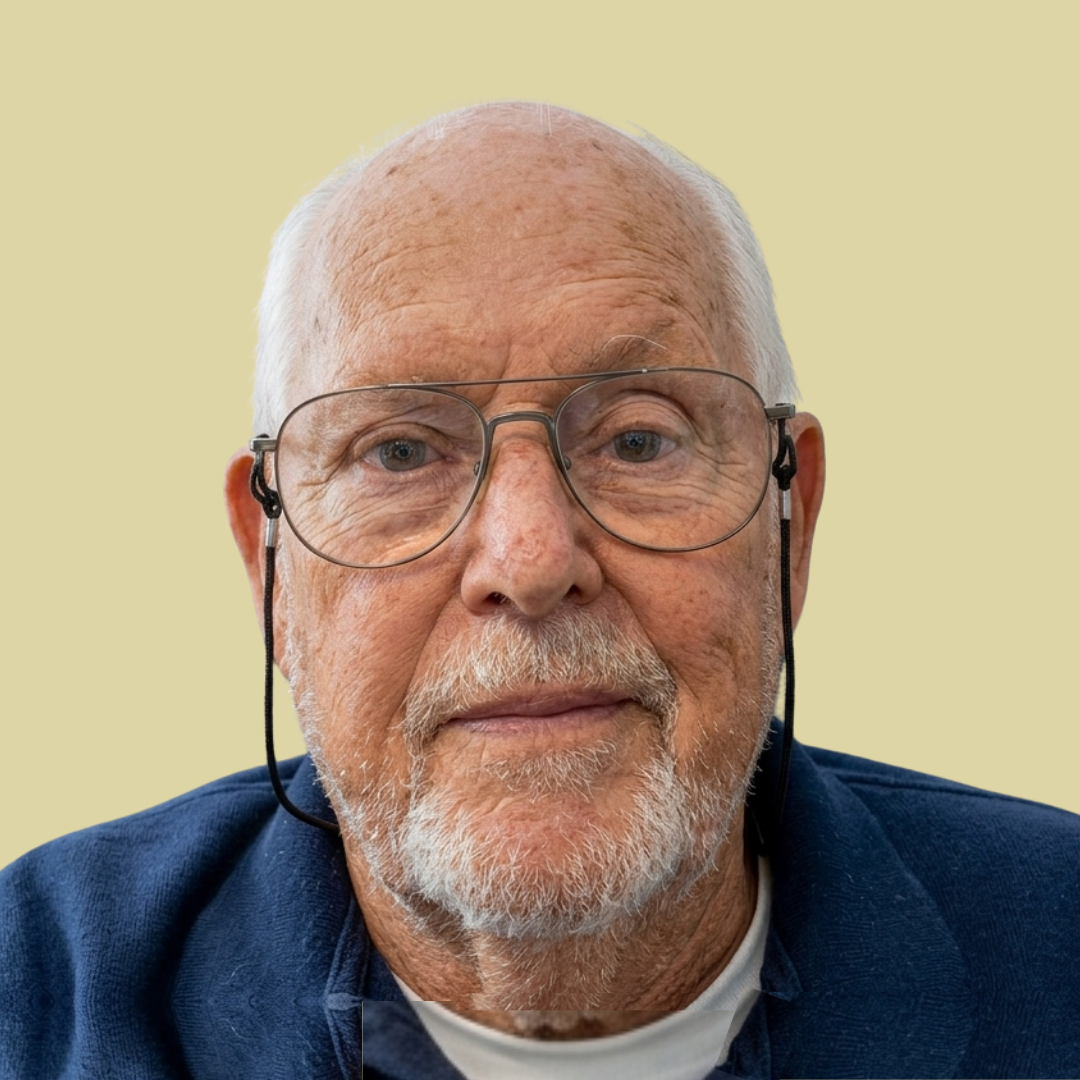
Experiential Learning, Rural Systemic Development and the Hawkesbury Experience - A Conversation with Richard Bawden
A lot of so-called innovation is old ideas, tried in a different place at a different time, packaged up in new wrapping to seem like a "new" idea. Whether it's from 50 years ago or 10000 years ago, there is a huge amount, if we're open to it, that we can learn from the accumulated wisdom of fellow humans making their way and learning in the world. My guest is this week is Richard Bawden who led Hawkesbury Agricultural College in Richmond, Australia in the 1970s and 80s. At that time and in that place, they were doing some incredible work using systemic and complexity-informed approaches to agriculture as rural development. There is so much resonance between the work that Richard and his colleagues were doing then and the changes taking place in educational ecosystems around the world today.
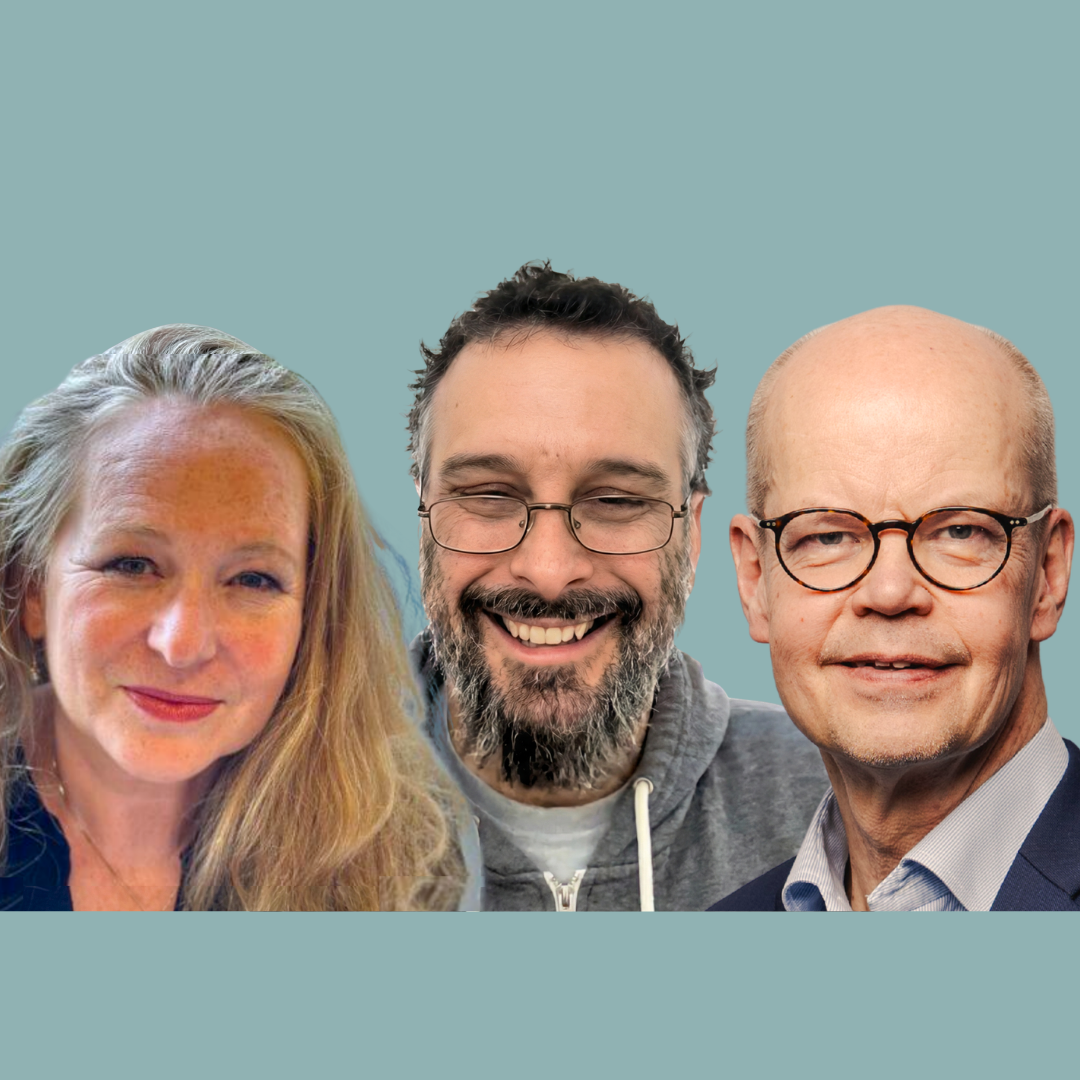
The Future of Schooling in the Age of AI - A Conversation with Nora Bateson, Dr. Zak Stein and Olli-Pekka Heinonen
What are the questions we should be asking of the radically new and rapidly accelerating technologies that we are all living with now? Where are the possibilities? What are we hungry for? Where are the challenges and dangers? What are our responsibilities as care-givers, parents, educators and policy makers? How are we creating opportunities for our young people to really connect with themselves, with each other and with the world; to develop their own perceptual and relational capacities? This week’s episode is a wonderful reflective space exploring these profound questions with Nora Bateson, Zak Stein and Olli-Pekka Heinonen.
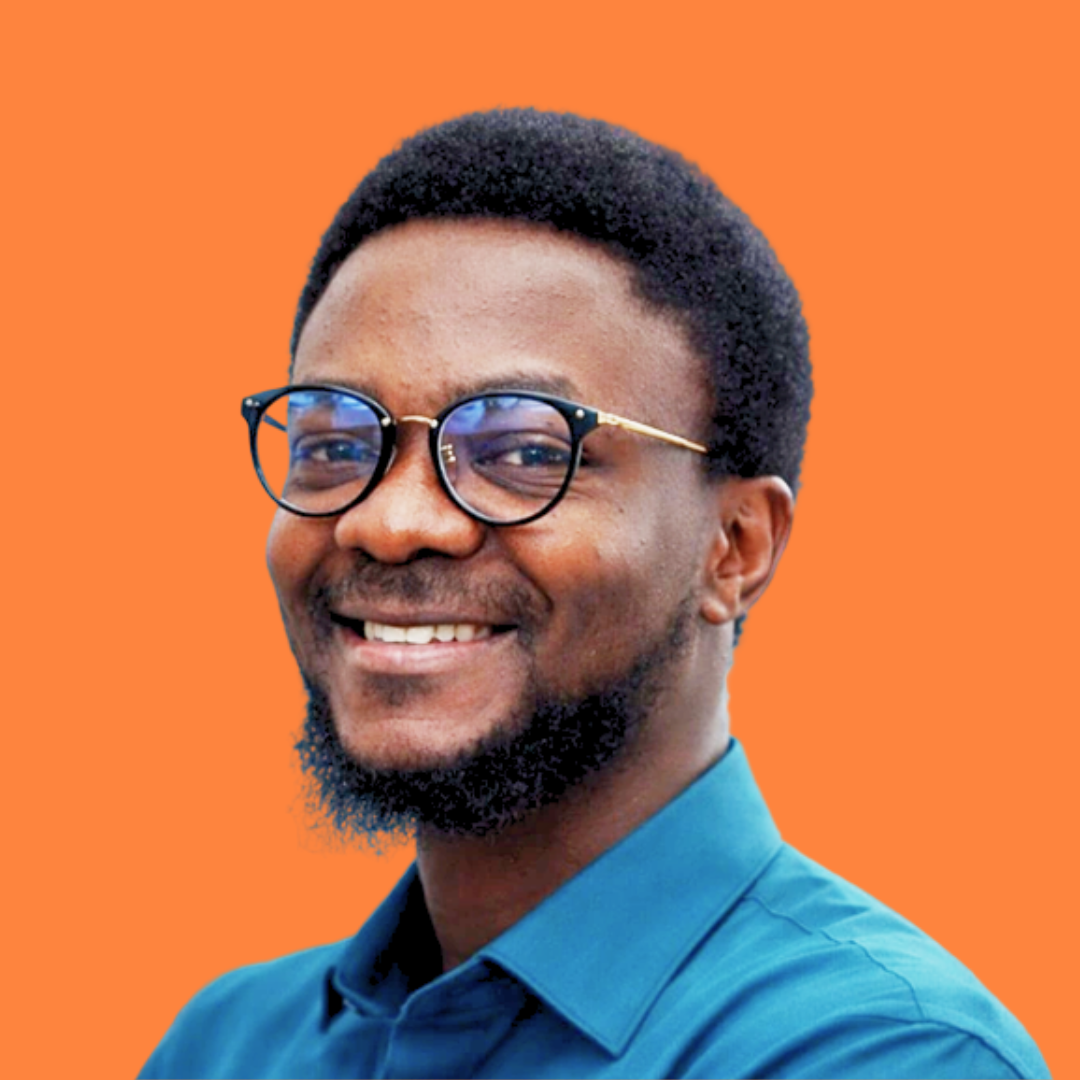
A New Kind of CAMPUS where Young People can Build, Learn, Connect and Grow - A Conversation with Munguzo Kapera
There are amazing people building innovative and responsive educational alternatives all over the world right now. They are seeing challenges in their communities and not waiting for others to act, or waiting for systems to change, but creating, connecting and building themselves. Today's episode is with one such person, Munguzo Kapera, who is doing this incredible work in some of the most resource constrained environments in Nakivale Refugee Settlement.
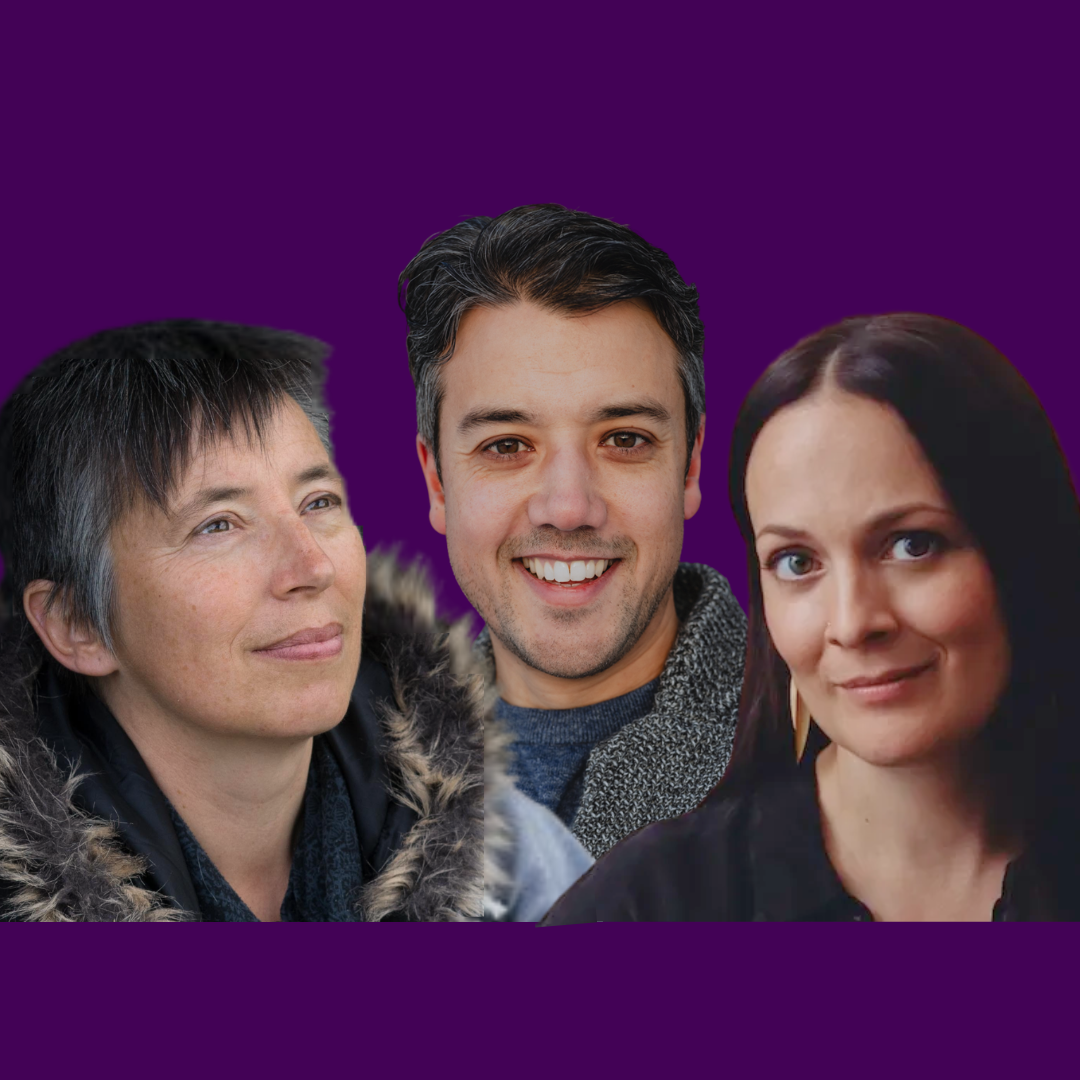
Podcasters Unite! Thinking about systemic change with Nathalie Nahai, Amit Paul, and Manda Scott
What are we learning about systemic change? There are lots of people talking about why we need it, climate and nature emergencies, exponential tech youth mental health crises etc. but how much is it actually happening? By definition, it’s not something that just happens in the education system, so I was really happy to gather together this week with three amazing podcasters and beautiful people who are coming at these same questions from many lenses, business, Thrutopian novel-writing, psychology, technology, economics, regenerative farming, political changemaking, architecture. Like me, they get to speak to some of the most amazing and insightful people in all of these fields and more, so I thought it would be a great idea to get together to see what we are learning collectively. Manda Scott is the host of the Accidental Gods podcast and has appeared on this channel a couple of times previously, Nathalie Nahai hosts her eponymous In Conversation podcast, and Amit Paul hosts the fabulous World of Wisdom podcast. You can find out more about each of them and link to their wonderful work in the show notes.
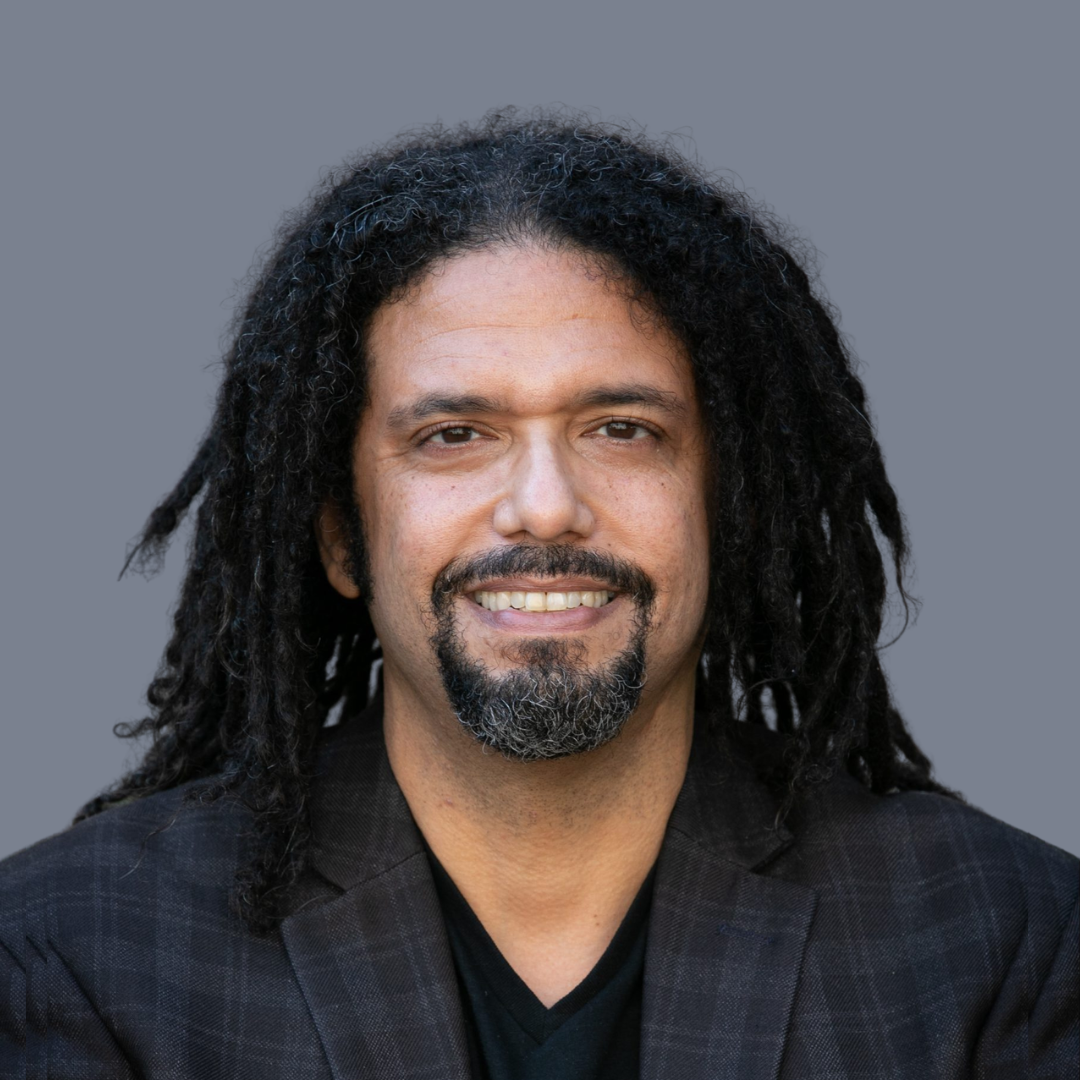
Sports as Sites of Learning & Contestation - A Conversation with Prof. Frank Andre Guridy
We often overlook sports as a site of learning, but it’s a massive part of so many people’s lives, whether playing, supporting, watching or teaching. And simultaneously, all of life happens in and around the sports arena. It is humanity in our most beautiful and, sometimes, ugliest manifestations. With all of the global sporting events happening right now, I wanted to bring this into our podcast conversations and there are few people better to do that with than player, coach, friend, and also pre-eminent scholar of the history and political economy of sports around the world, Professor Frank Andre Guridy.
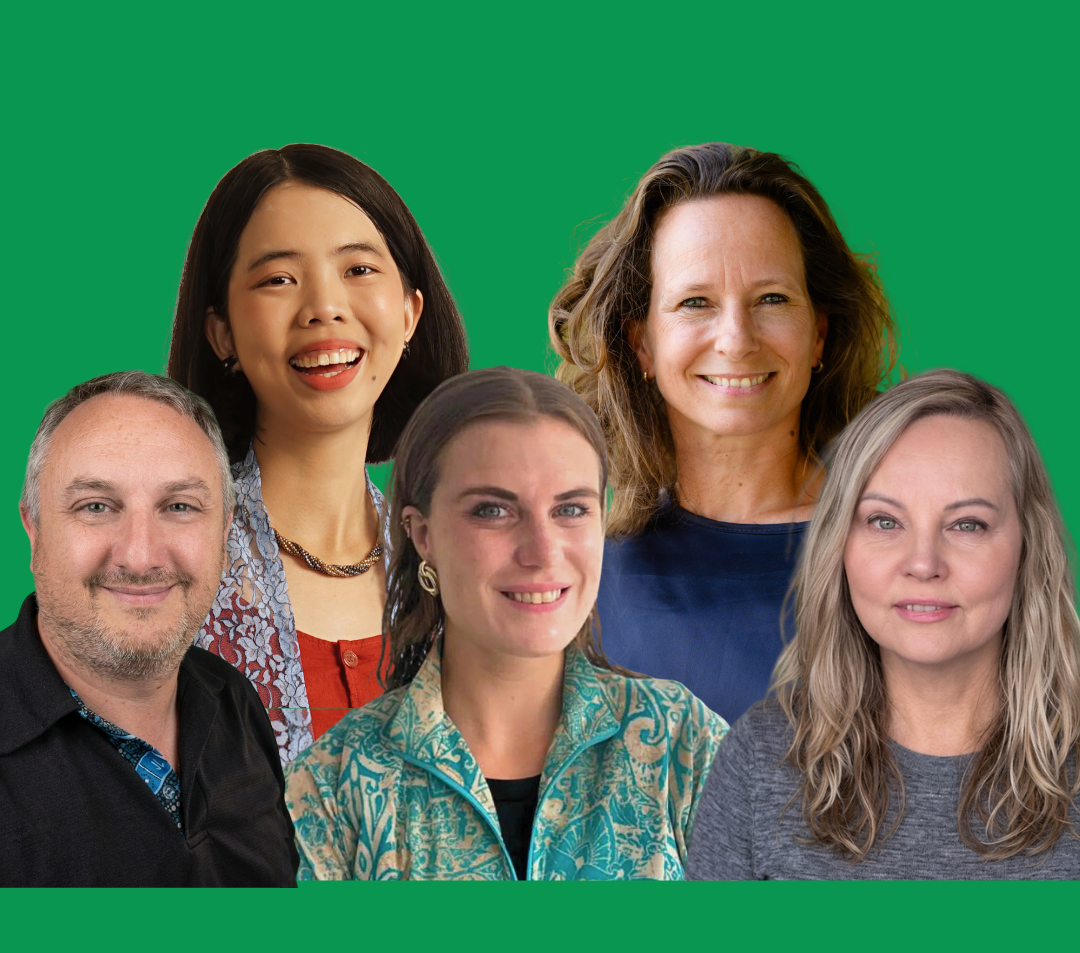
Learning with Living Labs - A Conversation with Heleen Geerts, Anja Overdiek, Sam Rye, Dinda Ciptaviana & Lotte Troost
There is a lot of discussions happening these days about the future of university and higher education in general. How does it keep pace with rapidly changing and disruptive technologies? How does it meet the needs of young people and become responsive and flexible enough to generate much needed transformations in research and development, knowledge creation, and capability building? And how does it adapt to the increasing volatility in all aspects of social, political, economic and ecological life that we are seeing everywhere?
This week’s episode focuses in on a fascinating new approach that universities and other communities and multi-stakeholder environments are taking in response to some of these fundamental questions, called ‘Living Labs’.
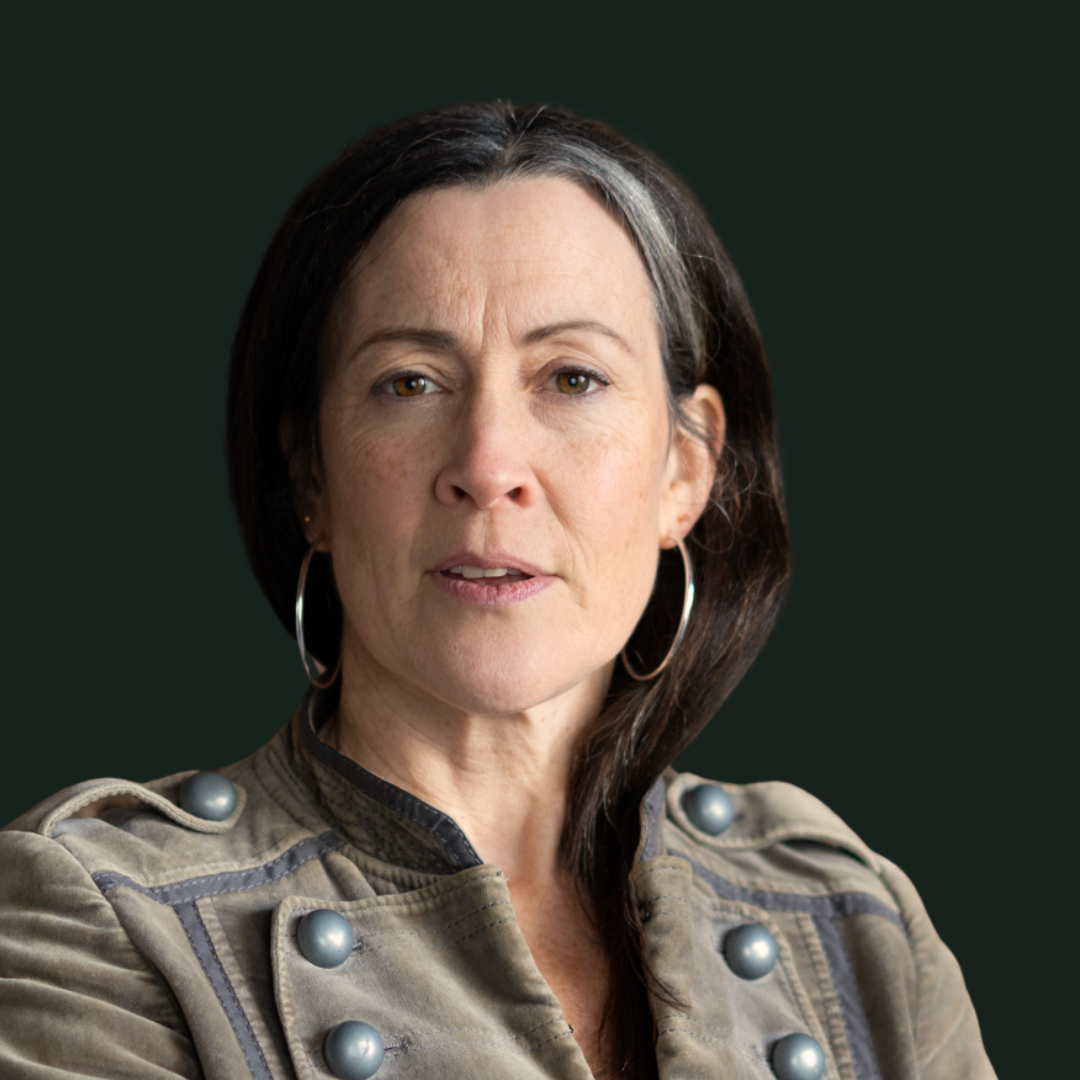
Learning Not to Save the World - A Conversation with Anthea Lawson
A big part of where I see shifts happening in education systems is encouraging young people to get out into the world, into their communities and make a difference to issues that they care about. There is so much learning that can happen in this process. But there are also some fascinating and important considerations to be aware of when we step into this work, so that we really have the impact that we are hoping to, and don’t replicate past harms and unhelpful patterns. My guest this week, Anthea Lawson, has been working on the front line of this kind of work for decades and has learned through her own experience just how complex and entangled these issues are that we care about doing something about.
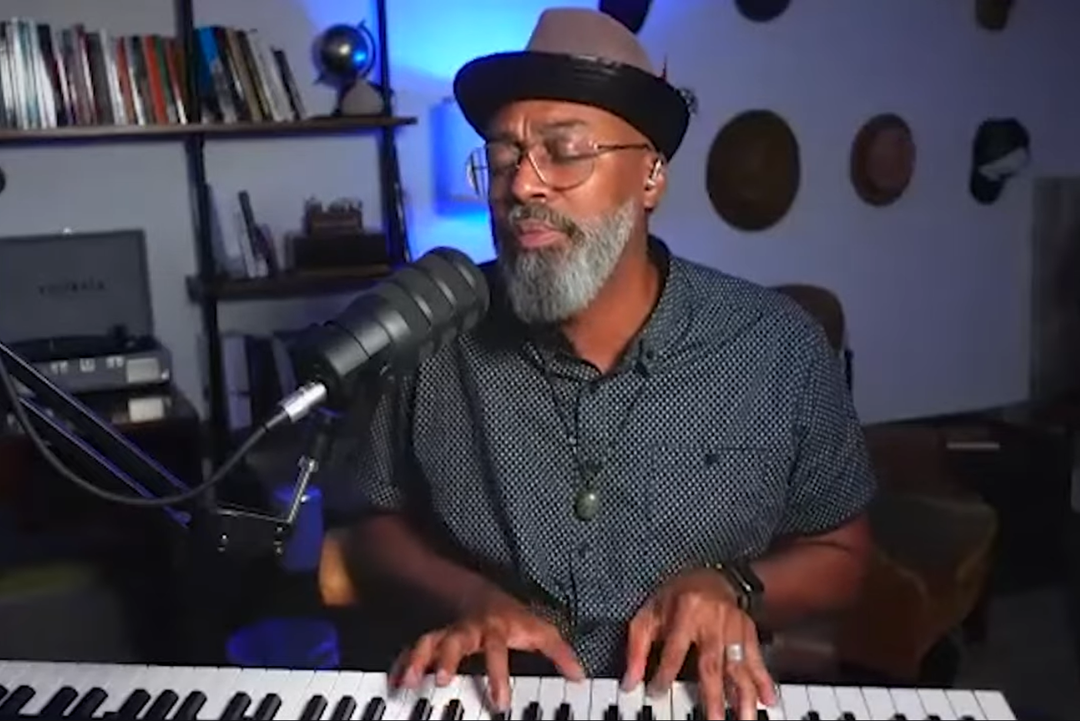
The amazing Eric Dozier sings ‘Cotton and the Cross’ live!
An incredible performance from Eric Dozier of his song 'Cotton and the Cross', as part of his recent conversation with Tim on the podcast. Find out more about Eric's music and cultural activism work here: https://www.ericdozier.com/ 'Henry Box Brown - A Musical', after great success on Broadway is now touring: https://www.henryboxbrownthemusical.com/touring
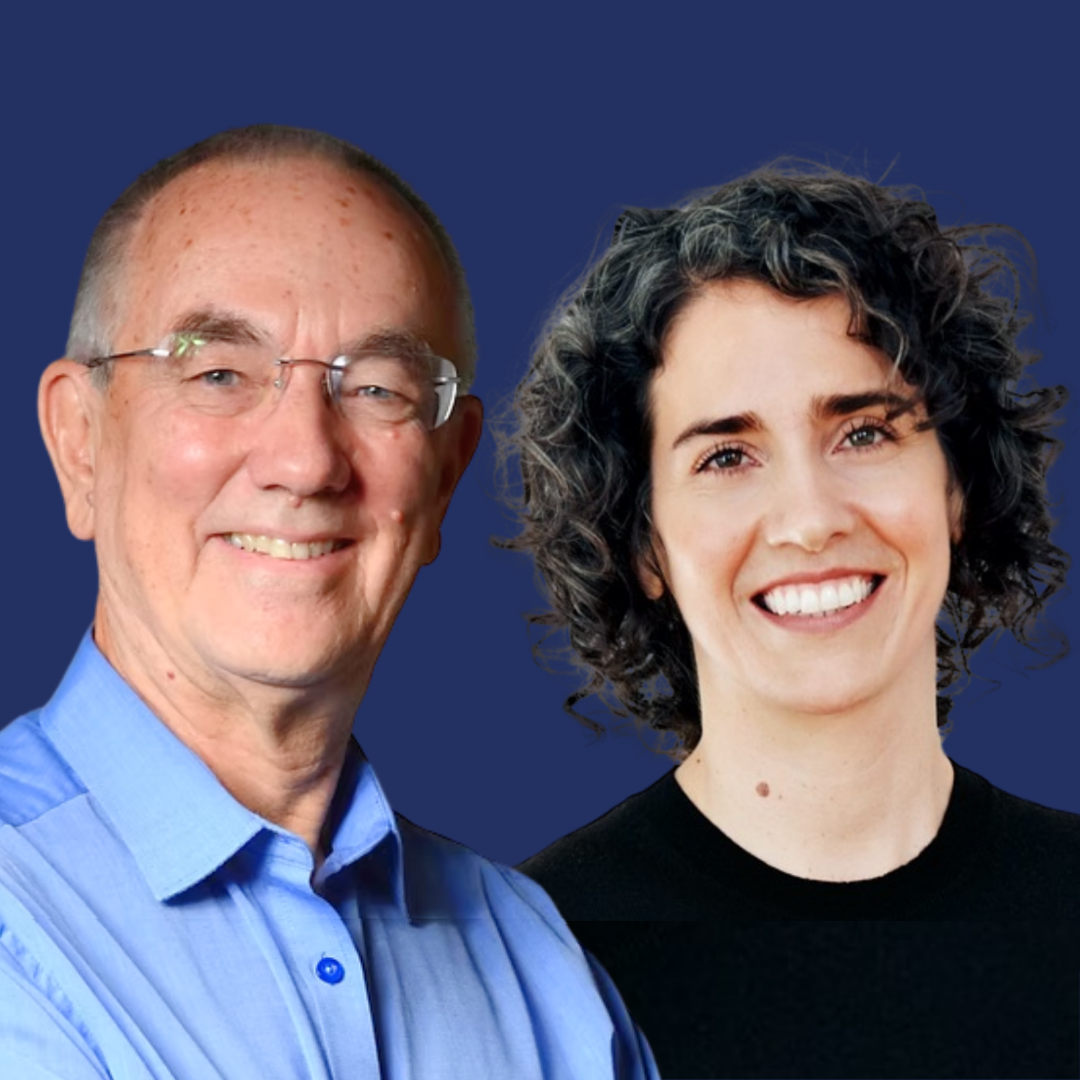
How Embodiment Science Transforms Education - A Conversation with Prof. Guy Claxton and Emily Poel
This week is a huge privilege to have my good friends Emily Poel and Guy Claxton returning to the podcast in celebration of the release this week of their fabulous new book, Bodies of Learning: How Embodiment Science Transforms Education. It's a really significant book! that lays out, unlike any other, the deep implications of 4E cognitive science that support and strengthen the case for a more healthy, more human(e), moregenerative educational experience for our young people; which is everything this channel is about.
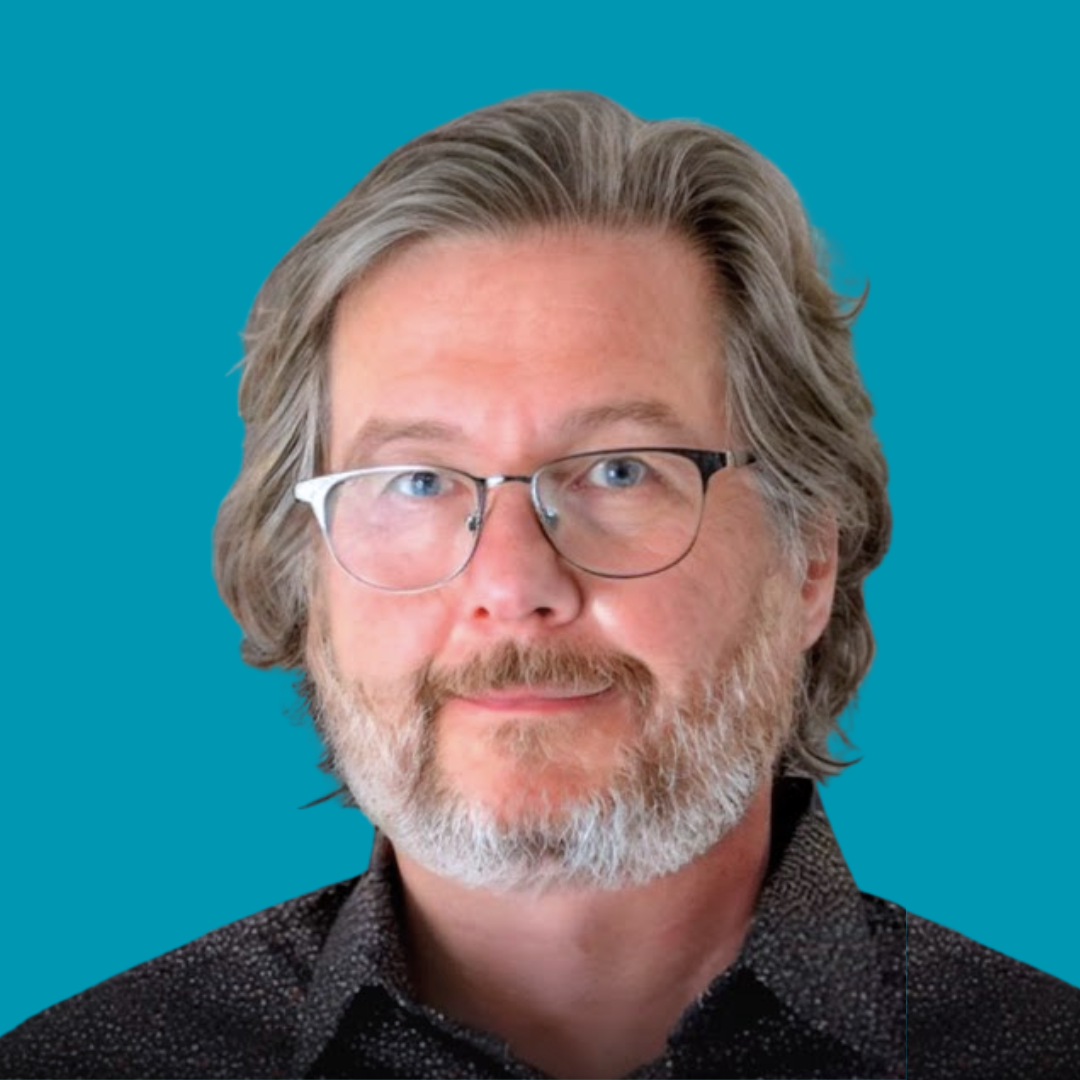
We are Intertwined Creatures - A Conversation with Prof. Tony Chemero
If you think about which verbs dominate formal education you’ll probably come up with a list like learning, thinking, reasoning, remembering, knowing, and maybe behaving. Now think about what images come to mind when you consider those verbs, or do a google image search and see what you get! I’m willing to bet that the most common images coming up are of individual heads, maybe with a visible brain or cogs, doing the thinking, the reasoning, the learning, the cognition. The fact is, we are actually already “intertwined creatures” in our entanglement with each other and the world. We think, learn and reason all the time with and through each other and the objects we interact with, and the places we are in. My guest this week, Professor Tony Chemero has been a major proponent of ‘radical embodied cognition’ for his whole career as a professor of philosophy and psychology.